


Nikon Eclipse Ni Direct-View Research Microscope
The Ni series of microscopes offers enhanced basic performance and system flexibility, and features high-quality optics and a wide range of imaging capabilities. Nikon Eclipse Ni microscopes are specifically designed for research in biology and medicine: cell biology, neurobiolog...
Turnkey supply, installation and training · Service across Ukraine
The Ni series of microscopes offers enhanced basic performance and system flexibility, and features high-quality optics and a wide range of imaging capabilities.
Nikon Eclipse Ni microscopes are specifically designed for research in biology and medicine: cell biology, neurobiology, pathology, ontogenetics, immunology, genetics, microbiology, cancer research, and drug discovery.
The Eclipse Ni-U series of upright microscopes is the modern successor to the Eclipse E600 model.
Available in two versions
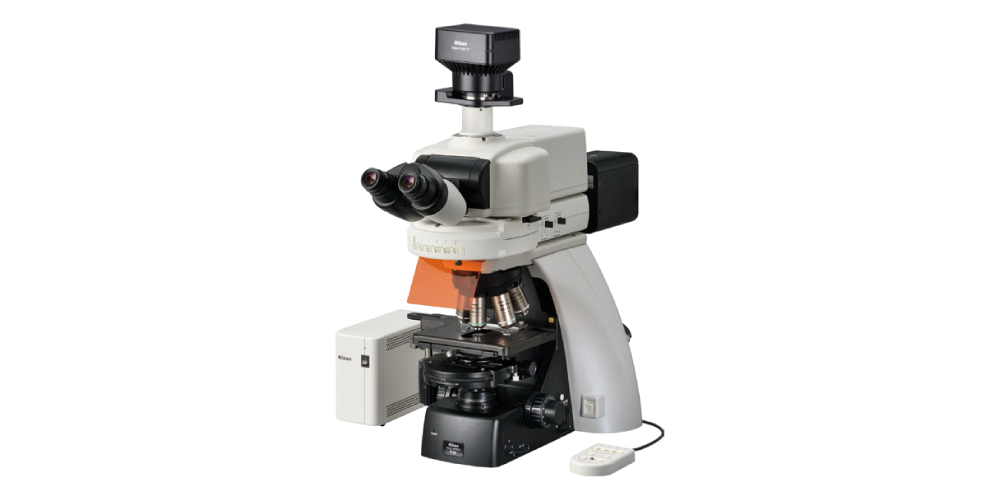
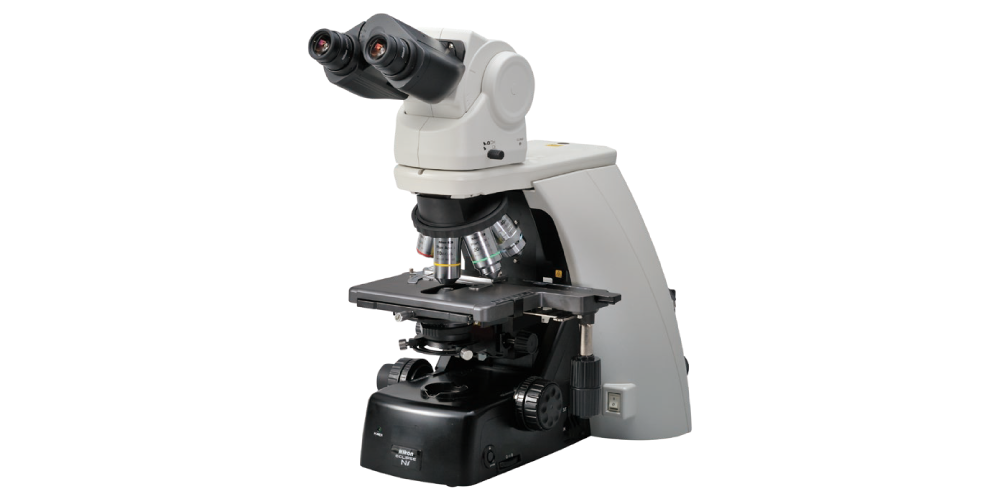
Features of the Ni Series of Microscopes
Ergonomic, spacious design for comfortable “blind” operation. The buttons on the sides of the microscope are curved, making it easier to operate them by touch while observing.
Compact footprint. The microscope’s base saves space and provides a large work surface area.
Expandability. A wide range of additional motorized accessories.
Automation. Intelligent automatic switching between examination modes.
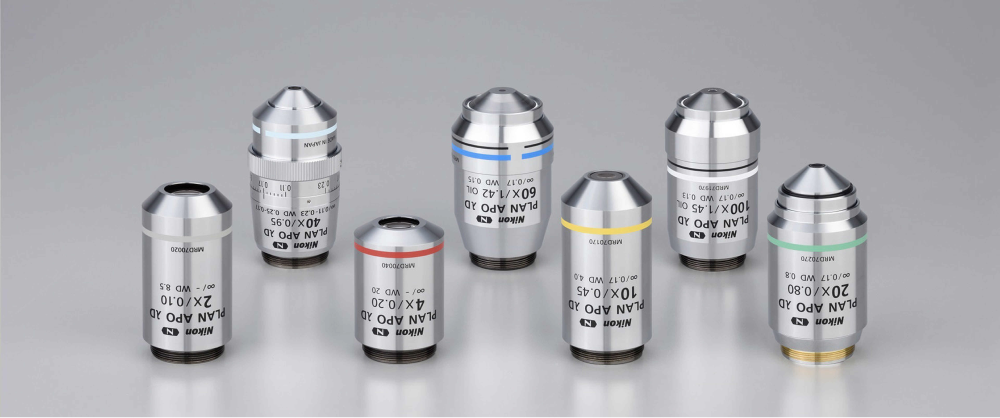
Lenses for objectives with enhanced performance characteristics * CFI Plan Achromat λ series
With an exceptionally high numerical aperture, significantly improved transmittance in the long-wavelength range thanks to the use of the patented Nano Crystal Coating, and chromatic aberration correction over the 435–850 nm range, these lenses are ideally suited not only for brightfield and fluorescence microscopy. These lenses deliver bright and sharp images at any wavelength for imaging in the near-IR range and multicolor fluorescence imaging.
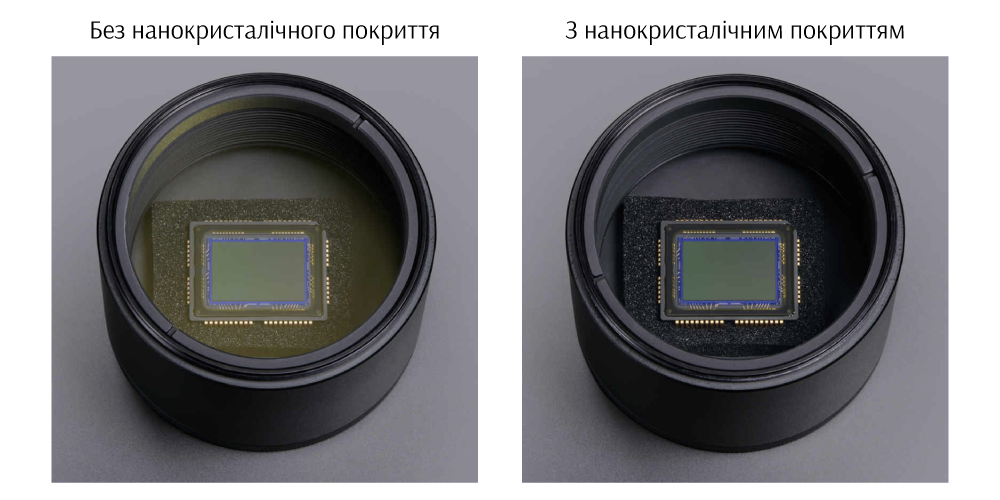
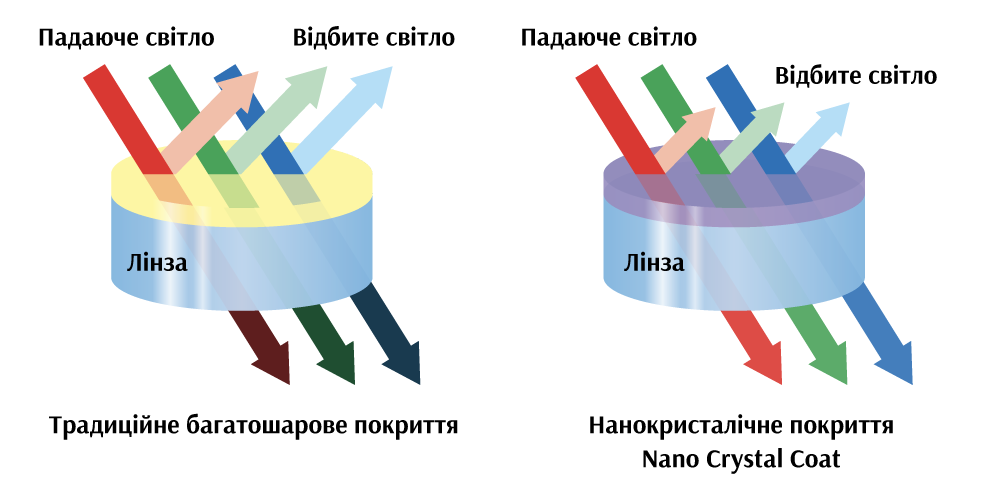
Nano Crystal Coat
This anti-reflective coating, composed of nanoparticles, is based on semiconductor technology and is also used in the manufacture of lenses for Nikon cameras. The coarse structure, in which the particles are spaced at equal distances from one another, ensures an extremely low reflectance index.
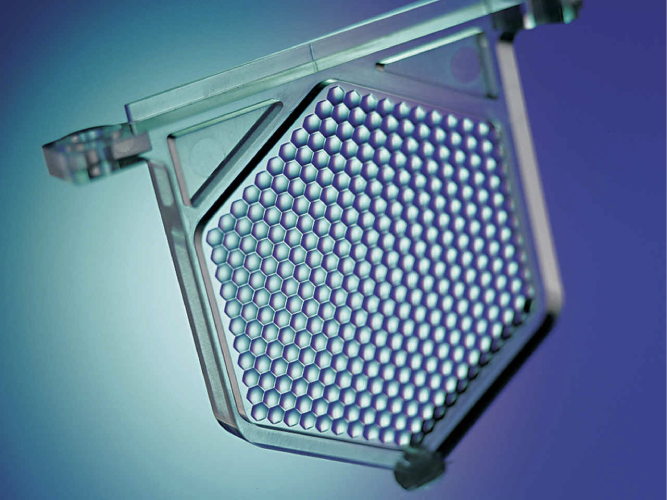
Uniform, Bright Illumination
The “fly-eye” lens is ideal for optical systems with diascopic illumination. At any magnification, it provides uniform, bright illumination all the way to the periphery of the field of view.
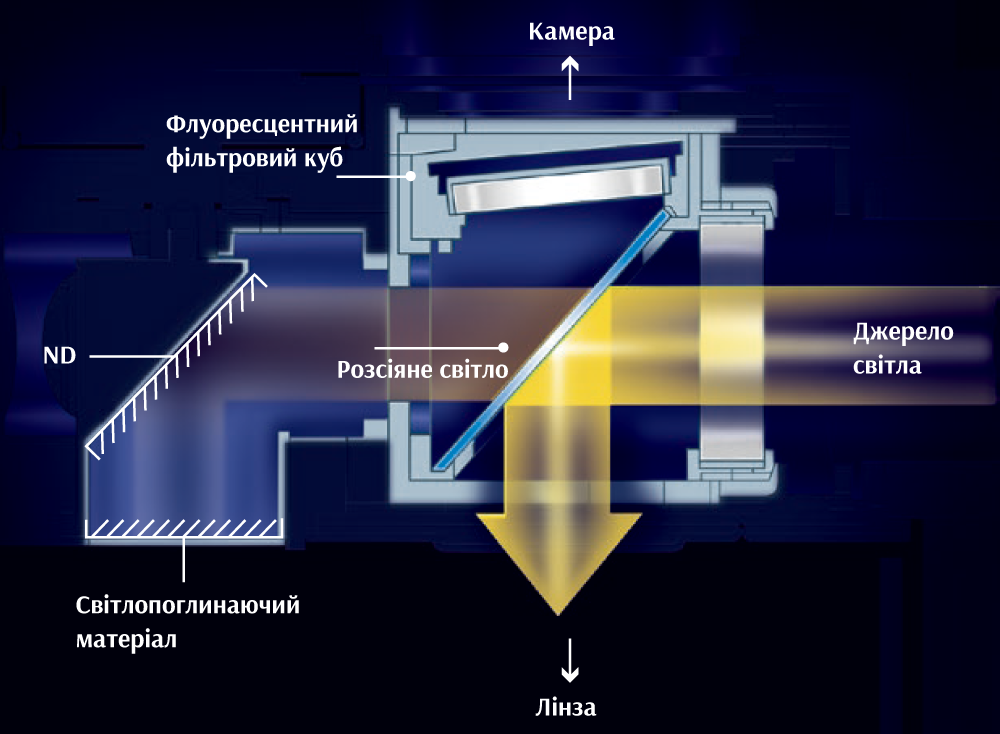
Fluorescence Noise Suppression
Nikon’s patented noise-suppression mechanism is used in fluorescent cube turrets and cube filters. The signal-to-noise ratio has been dramatically improved by eliminating stray light in the filter cubes, allowing for the detection of high-contrast, high-brightness fluorescent signals.
Lenses for Immersion Water-Immersion Objectives
Thanks to their long working distance and high numerical aperture, these objectives provide excellent transmission in the near-infrared range.
Axial chromatic aberration in the 40x and 60x objectives is corrected up to 850 nm, allowing for high-resolution imaging of fine structures in thick specimens using DIC in the IR spectral range.
The 25xW MP and 100x objectives have a high numerical aperture (1.1) and a long working distance (2.0 mm). Thanks to chromatic aberration correction in the near-IR spectral range, these objectives are ideal for multiphoton microscopy. In addition, by using a mechanism to compensate for changes in spherical aberration that occur at different temperatures and at different depths of the observation point, it is possible to obtain clear images of regions within thick samples.
Implemented Techniques
- FISH, FRAP, FLIP, FLIM, and FRET techniques
- Multicolor luminescence imaging (Ni-E)
- Photoactivation imaging (Ni-E/Ni-U)
- Multiphoton imaging (Ni-E)
The Ni series microscopes are quite powerful, so a confocal scanner can be integrated into them. The wide light beam allows for the creation of bright confocal images.
Specifications
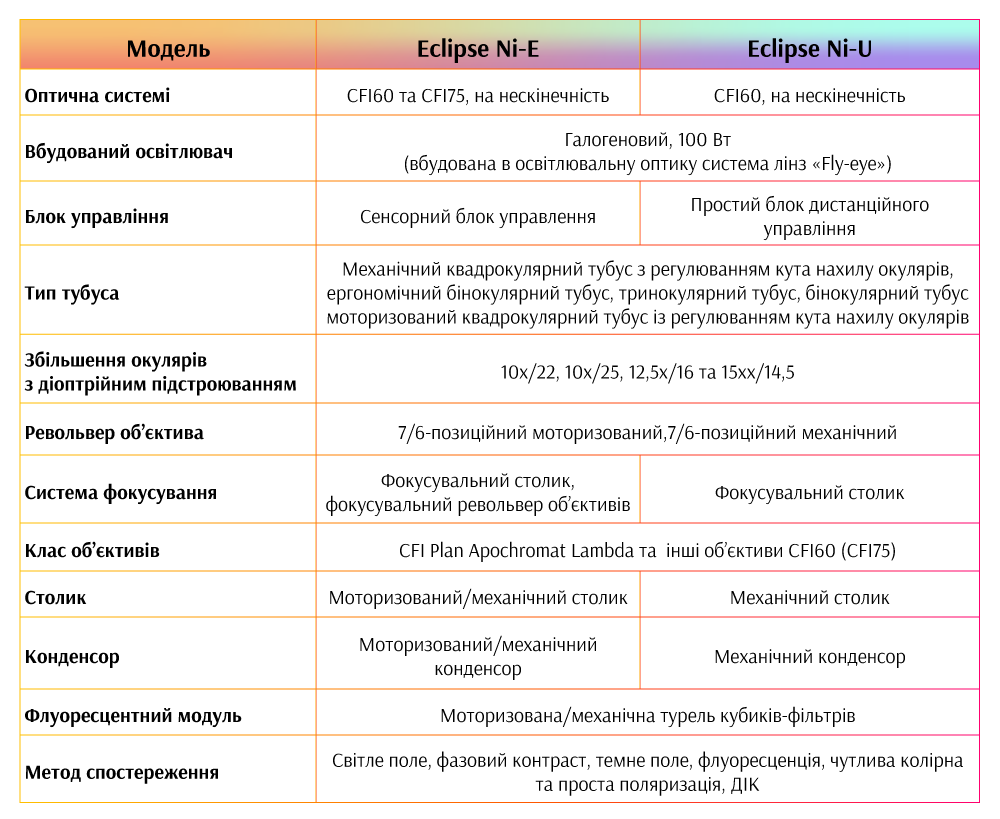
Technical specifications
- Manufacturer
- Nikon
- Directions
- Microscopy
- Industries
- Educational and research laboratories, Clinical laboratory diagnostics, Medicine
- Type
- Equipment
Customer reviews
There are no reviews for this product yet. Have a question about operation or configuration? A specialist will reply within 24 hours.
Purchase, delivery and warranty terms
How to order?
Click “Price request” and leave your contacts. A manager will clarify the configuration, prepare a commercial offer and answer technical questions within 24 hours.
Delivery and supply
Direct supply from the manufacturer, no intermediaries. Lead time depends on the configuration and is fixed in the offer; we deliver across Ukraine.
Warranty and service
Manufacturer's warranty on the equipment. Installation, qualification and staff training; a service engineer responds within 48 hours.
Procurement documents
Commercial offer with and without VAT, contract specification. CE, ISO, IVD certificates, declarations of conformity and user manuals.
Frequently asked questions: Nikon Eclipse Ni Direct-View Research Microscope
No questions yet — ask yours via a request.