


Nikon ECLIPSE LV100N POL Polarizing Microscope
The highest level of optical quality, performance, and stability for polarized light microscopy A high-intensity 50-watt halogen light source is brighter than a standard 100-watt halogen lamp. Low power consumption means less heat generation, thereby reducing the likelihood of fo...
Turnkey supply, installation and training · Service across Ukraine
The highest level of optical quality, performance, and stability for polarized light microscopy
A high-intensity 50-watt halogen light source is brighter than a standard 100-watt halogen lamp. Low power consumption means less heat generation, thereby reducing the likelihood of focus drift, which is often caused by heating.
KEY BENEFITS
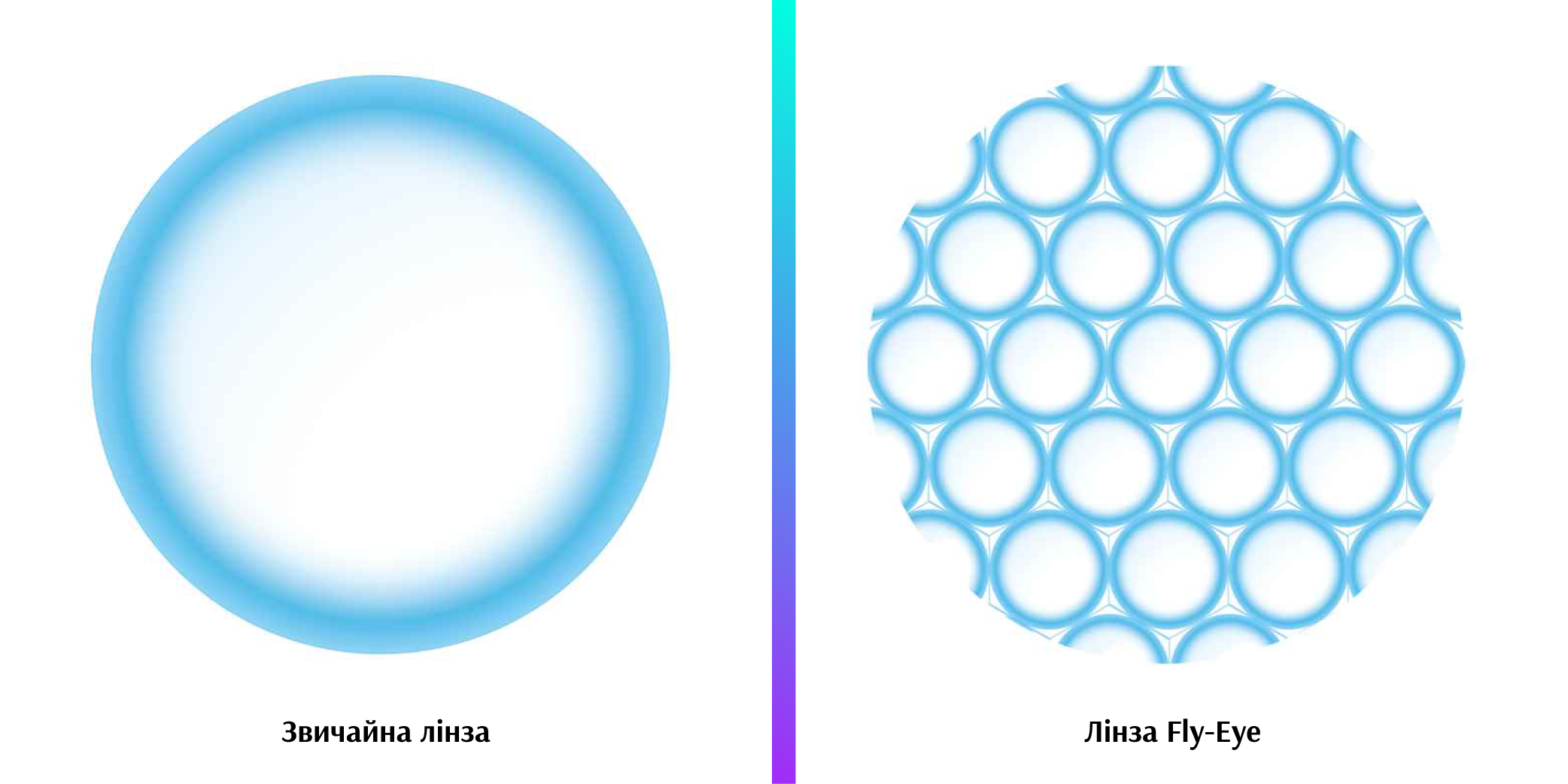
Uniform brightness with diascopic illumination
Nikon’s unique Fly-Eye illuminator lens provides uniform brightness across the entire field of view, making it ideal for digital imaging.
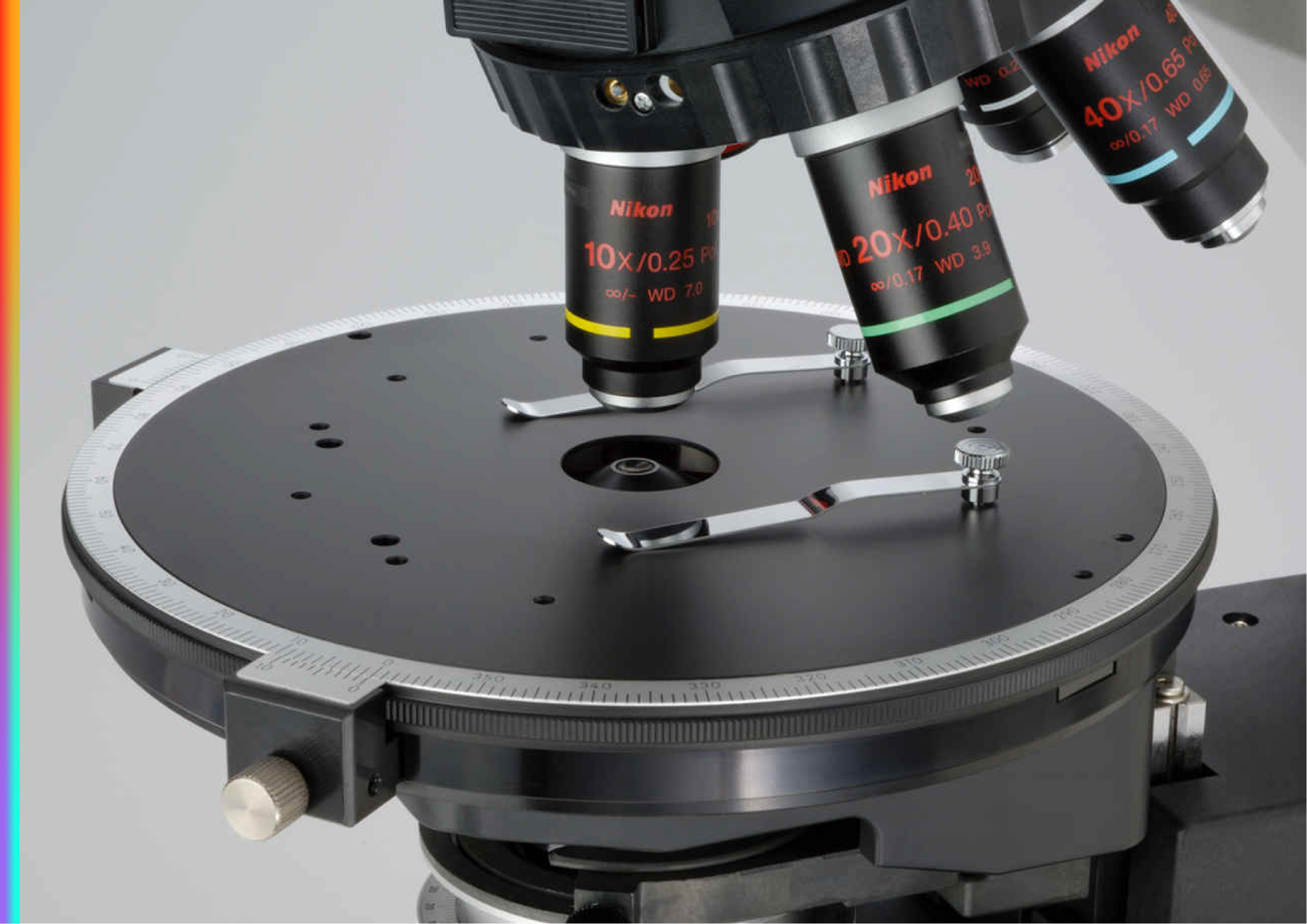
High-precision rotating stage
The large-size stage is pre-set and stops at 45° intervals (click-stops). The stage’s smooth movement ensures stable and effortless rotation, guaranteeing high-quality images.
Since the stage is supported from below near the optical axis and features steel cross-roller guides, it offers excellent stability and durability.
- The focusing travel has been increased to 30 mm, making it easier to observe tall specimens.
- The mechanism for locking the stage at its maximum height ensures easy and safe sample replacement.
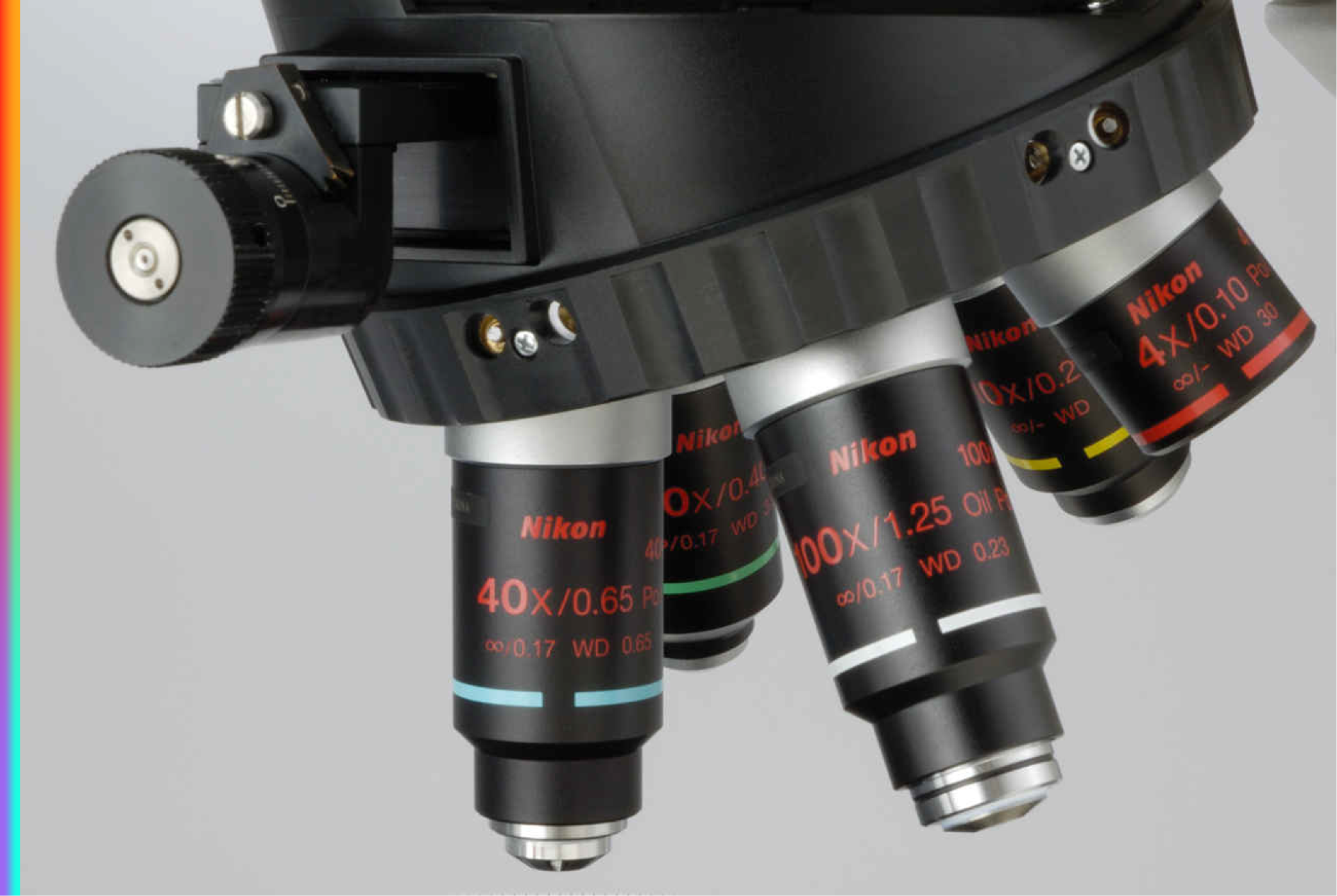
Five-position objective turret with centering capability
The objective turret comes with a standard slot for compensators (DIN standard) to accommodate various compensators for advanced quantitative measurements. All five positions feature objective centering.
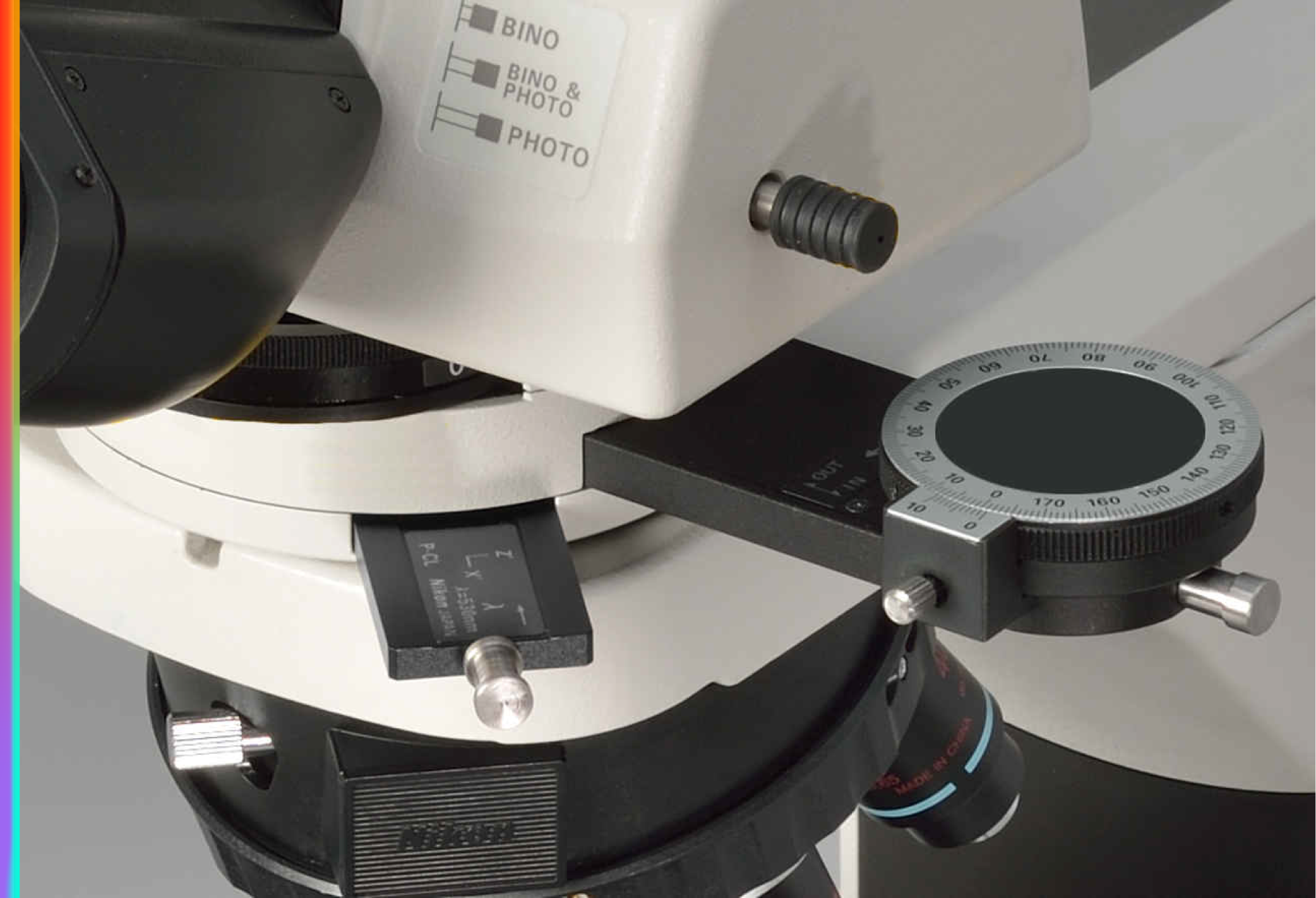
Intermediate module
The intermediate module includes a Bertrand lens as standard, allowing for both conventional observations and the acquisition of conoscopic and orthoscopic images. The Bertrand lens is focusable and centerable. The high-precision analyzer rotates 360°.
Polarizing Lenses
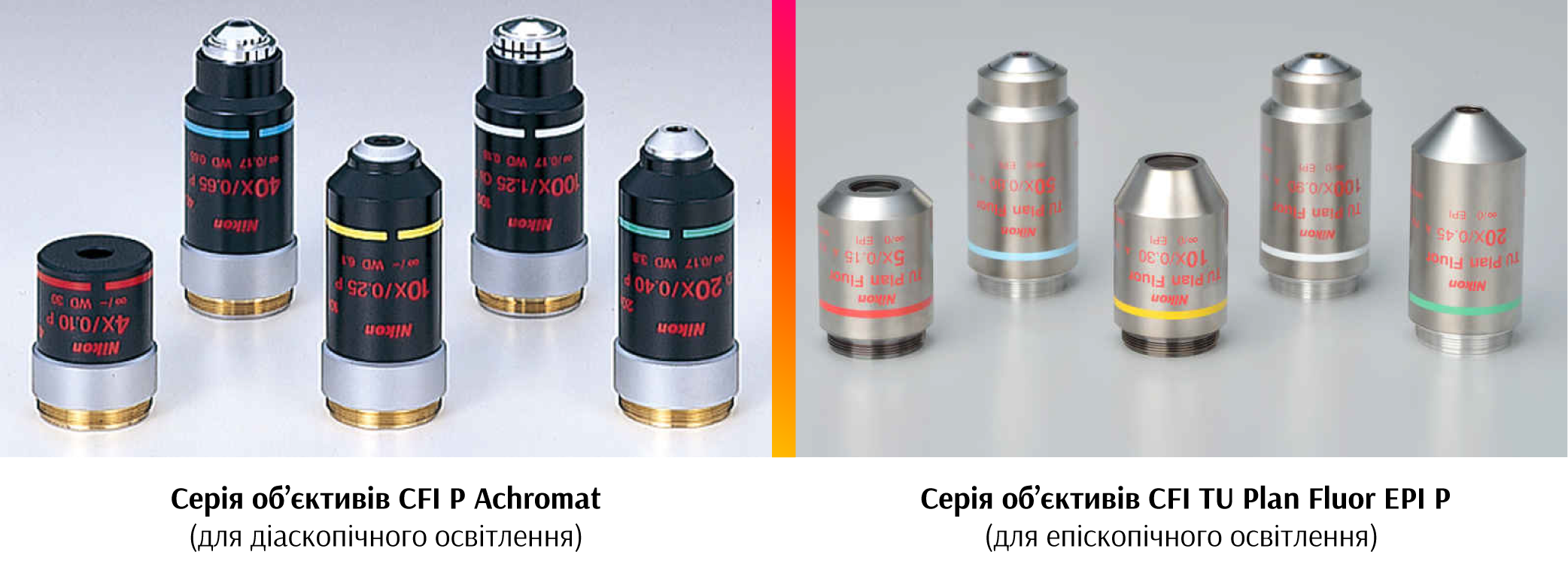
The CFI60 optical system, renowned in its field, successfully provides long working distances, high aperture, and produces sharp, aberration-free images. The lenses use eco-friendly glass that contains no environmentally harmful substances such as lead or arsenic.
The episcopic objectives belong to the recently developed CFI60-2 series and produce clear, aberration-free images regardless of magnification.
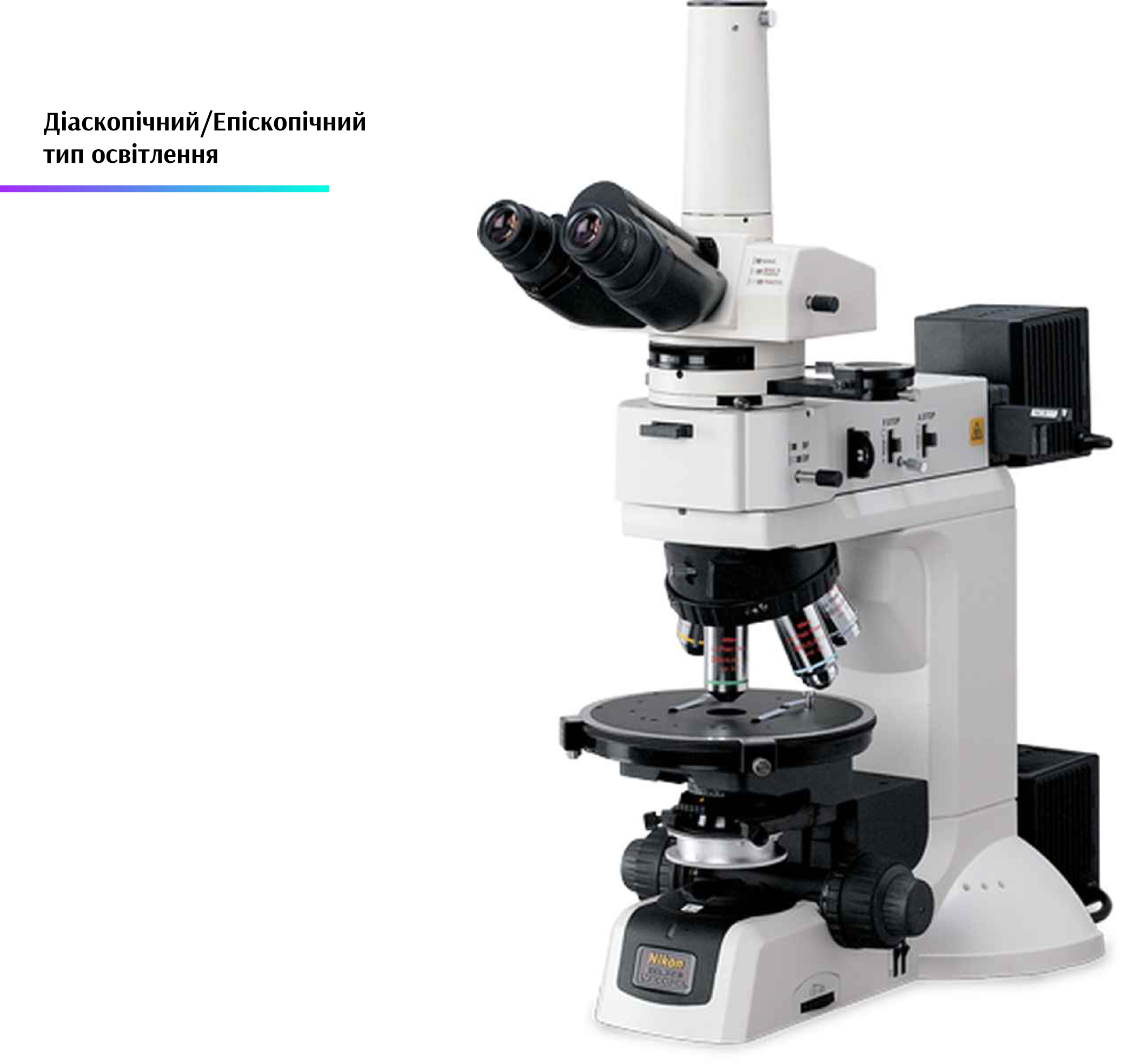
Diascopic/Episcopic Illumination
Thanks to the installation of the universal epi-illuminator LV-UEPI-N, it is possible to observe both diascopic and episcopic polarized light.
The epi-illuminator uses a 50-watt high-intensity lamp as standard, which provides brighter illumination than a conventional 100-watt lamp. A noise-reduction mechanism is used to ensure clear images with a high signal-to-noise ratio.
This model also supports DIC (differential interference contrast) microscopy (when using special accessories and objectives).
Specifications
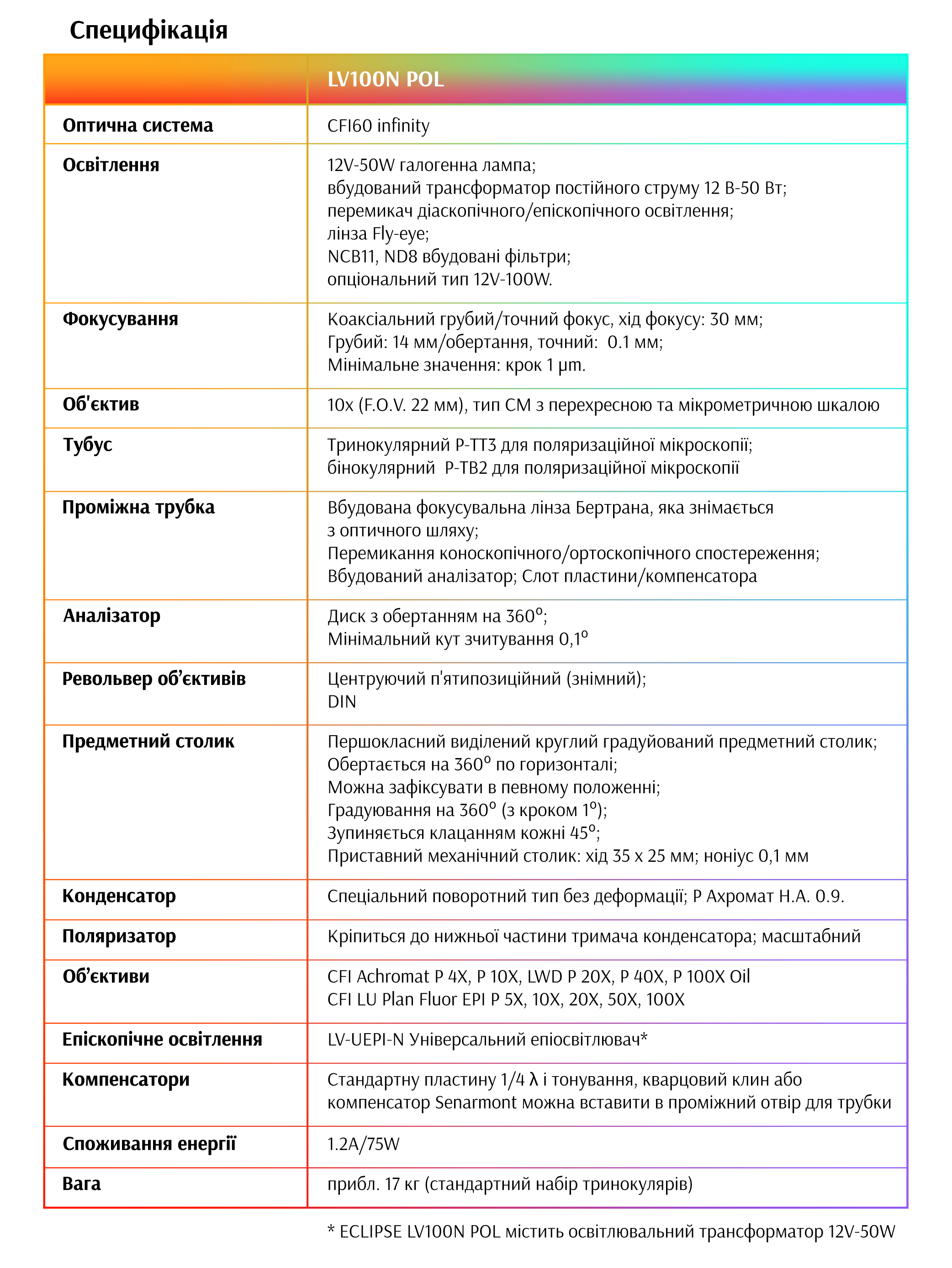
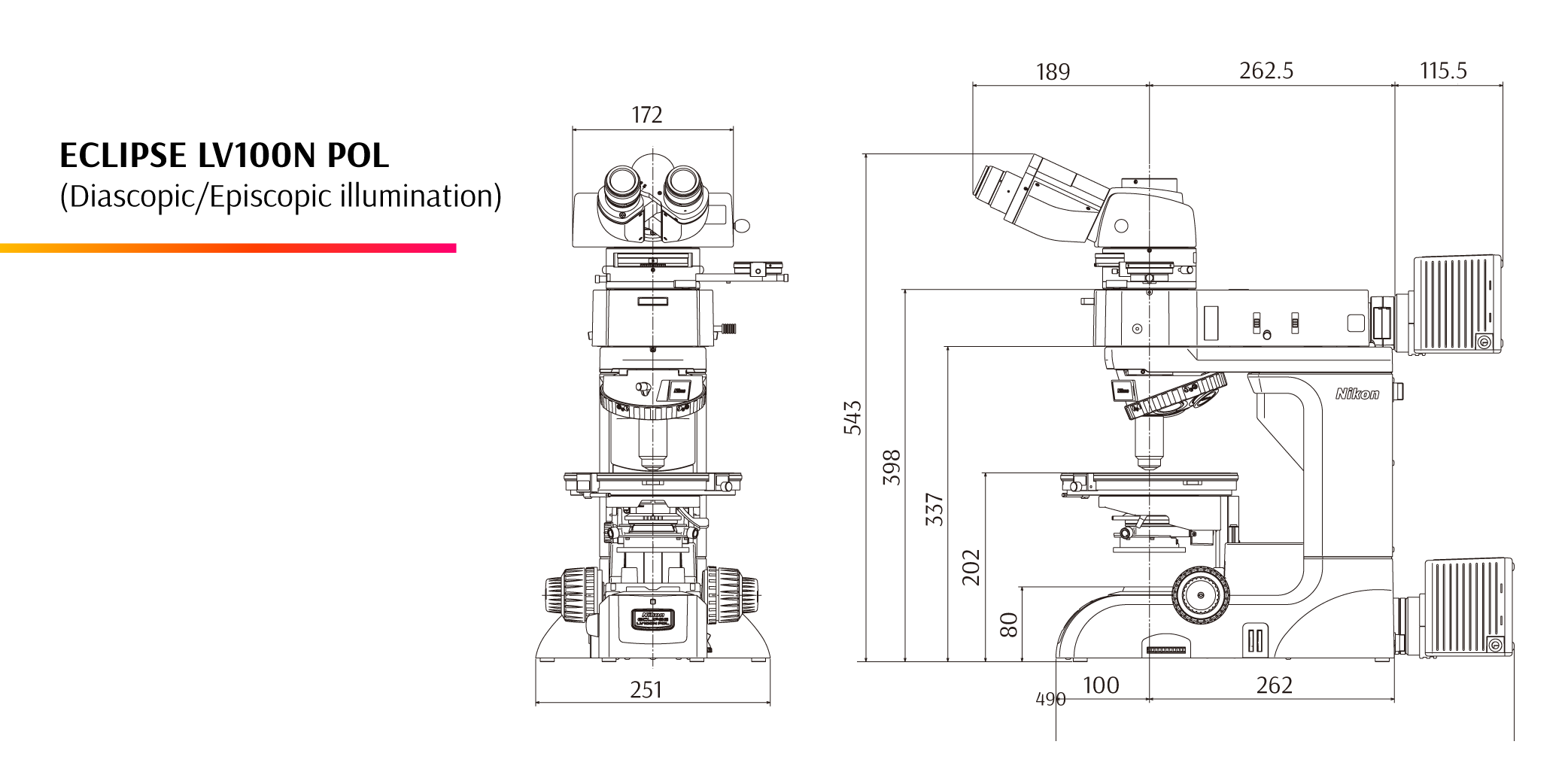
Technical specifications
- Manufacturer
- Nikon
- Directions
- Microscopy
- Industries
- Educational and research laboratories, Clinical laboratory diagnostics, Medicine
- Type
- Equipment
Customer reviews
There are no reviews for this product yet. Have a question about operation or configuration? A specialist will reply within 24 hours.
Purchase, delivery and warranty terms
How to order?
Click “Price request” and leave your contacts. A manager will clarify the configuration, prepare a commercial offer and answer technical questions within 24 hours.
Delivery and supply
Direct supply from the manufacturer, no intermediaries. Lead time depends on the configuration and is fixed in the offer; we deliver across Ukraine.
Warranty and service
Manufacturer's warranty on the equipment. Installation, qualification and staff training; a service engineer responds within 48 hours.
Procurement documents
Commercial offer with and without VAT, contract specification. CE, ISO, IVD certificates, declarations of conformity and user manuals.
Frequently asked questions: Nikon ECLIPSE LV100N POL Polarizing Microscope
No questions yet — ask yours via a request.